
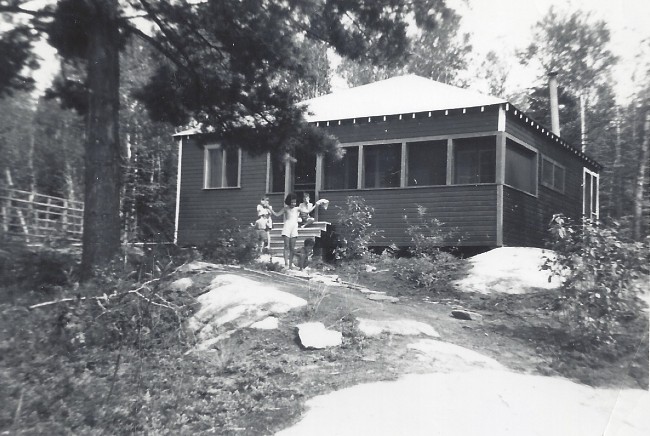
The history of summer cottages in Ontario is rooted in the province’s natural beauty and our desire to experience it. It is also a story of government plans to boost economic prosperity in northern areas.
In the mid-19th century, railways expanded access to Ontario’s remote natural landscapes, including Muskoka, the Kawarthas, and Georgian Bay. Wealthy families from Toronto began building summer homes on lakes near these routes, escaping the hot, crowded cities and seeking what they saw as both a luxury and a health benefit. Photographs of early cottagers showed men in summer suits and women in long dresses. Small resorts sprung up, such as the one on Bigwin Island on Lake of Bays. It featured a large rotunda where they held swinging dances late into the night.
The rise of the automobile in the early 20th century made remote areas more accessible, allowing the middle class to take part in the summer cottage life. Small clusters of cottages began forming along dozens of lake shores, creating lifelong friendships among neighbours. As cottaging grew, so did recreational activities like canoeing, sailing, fishing and motorboating.
After World War II, rising incomes, a baby boom and government land sales fueled a cottage building rush. Ontario had vast tracts of undeveloped Crown land, so it used Crown land sales to stimulate local economies, attract settlers, and promote tourism or recreational activity. At the time, much of the land was remote, with limited road access, utilities, and infrastructure, which reduced its market value. Many cottages were only accessible by boat launched from a central wharf.
In the 1950s, Ontario Crown land sold for relatively low prices by today’s standards. The cost of purchasing Crown land during this period varied by location, size, and intended use. Crown land designated for recreational or cottage use often sold for $10 to $100 per acre, depending on its proximity to lakes, accessibility, and desirability. A typical lakefront cottage lot might have cost $100 to $300, particularly in more remote areas like Haliburton, Muskoka, or Northern Ontario.
Building a basic cottage in Ontario during the 1950s was relatively affordable, especially compared to modern costs. The average cost to build a basic small cottage in the 1950s (300–500 sq. ft.) was $500–$2,000. Owners built these simple structures themselves or with local help. They typically featured one or two rooms, no indoor plumbing, and wood stoves for heating. Moderate size cottages (500–800 sq. ft.) cost $2,000–$5,000 and had additional bedrooms or a screened porch, hardwood floors or larger windows.
Prefabricated cottage kits cost $300–$1,000, excluding labour and land costs. Early cottages pumped water from the lake up to the cottage, and outhouses were the norm. Cottage building embraced a rustic, nature-focused lifestyle.
Most cottages were used only in the summer, as they were not insulated for winter. Families often spent weeks at a time at the cottage, especially in July and August. With dense forests surrounding the cottages, mosquitoes were rampant, but few complained.
Cottage families built unique traditions, including crafts, games, bonfires, and family reunions. Early cottages had no electricity and bought ice blocks from local vendors to cool their refrigerators. They relied on gas stoves, wood-burning fireplaces, or outdoor grills for cooking. Many also used candles or lanterns for evening light. Cooking was limited to basic meals like hamburgers, hot dogs, and freshly caught lake fish.
Haliburton County, with its dense forests, sparkling lakes, and proximity to major cities, became an ideal, more affordable alternative to Muskoka. Improved road networks made Haliburton more accessible, reducing reliance on railways. Families could now reach their cottages by car, often over weekends or for extended summer stays.
In recent decades, a trend toward building larger, more luxurious cottages emerged, especially in regions like Muskoka. These grand cottages were more like city homes with modern kitchens, lavish bathrooms and huge boathouses to store their water toys. Lake Muskoka became a popular place for Hollywood actors, professional hockey players, and business executives to splurge on multi-million-dollar cottages.
Today, the price of buying an existing cottage has risen dramatically across the region, though prices swing wildly with prevailing economic conditions. War, recessions, and unemployment can drive prices down, while strong economic times leave families flush with cash to buy a second home on a pristine lake. Many cottages never hit the open market because families pass them down through generations. However, this can create income tax liabilities and family feuds if siblings don’t agree on how to share the use and costs of the family cottage.
Many of the cottages built in the 1950s remain in use today, often upgraded over the years with modern amenities while retaining their rustic charm. These early builds laid the foundation for Ontario’s vibrant cottage culture. One major drawback today is the volume of cars travelling north on Friday evenings and south late on Sunday. In the 1950s, the drive could take less than 90 minutes; today it can be 3-4 hours.
If you had the chance to enjoy a summer at the family cottage, or a rented one, you know those memories will last forever.
Leave a Reply